Aluminium Scrap Trading: Understanding Common Grades and Their Applications
Aluminium scrap is one of the most widely traded secondary metal categories in the world. Understanding how different grades are classified, prepared, and valued is essential for buyers, suppliers, and traders operating in the global aluminium recycling market.
Author
Enreach Global Editorial Team
Industrial Scrap Market Insights
Why Aluminium Scrap Grade Matters
Aluminium scrap is one of the most widely traded secondary metal categories in the world. Understanding how different grades are classified, prepared, and valued is essential for buyers, suppliers, and traders operating in the global aluminium recycling market.
Unlike primary aluminium production, which works from a uniform bauxite feedstock, secondary aluminium processing depends on the composition and cleanliness of incoming scrap. The grade of material directly determines what alloy can be produced, what pre-processing steps are needed, and what price a buyer can reasonably offer.
For international trade, consistent grade identification and clear preparation standards are what separate reliable suppliers from those who generate repeated quality disputes.
Key Aluminium Scrap Grades in International Trade
The aluminium scrap market uses a mix of industry-standard grade names and regional terminology. The grades below represent the core categories commonly sourced, traded, and exported by Enreach Global.
6063 Extrusion Scrap
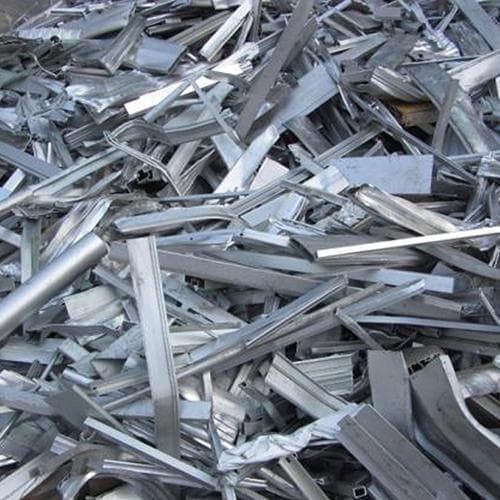
6063 extrusion scrap comes from straight-extruded aluminium sections — window frames, door frames, architectural profiles, and similar hollow or solid sections. The alloy is valued for its clean composition and relatively high aluminium content.
Acceptable preparation typically requires removal of steel fasteners, rubber gaskets, and plastic inserts. Buyers expect a visually clean, segregated grade with minimal mixed contamination.
6061 Structural Aluminium
6061 structural aluminium comes from heavier fabricated sections and structural components. It is a stronger alloy than 6063 and is used across aerospace, marine, and engineering applications.
In scrap form, 6061 commands good prices due to its controlled alloy composition, but it requires careful segregation from lower-value mixed extrusion streams to retain its grade premium.
Taint/Tabor — Mixed Sheet Aluminium
Taint/Tabor is a mixed sheet aluminium grade made up of flat sheet offcuts, light gauge aluminium sheet, and similar flat-rolled material. It is widely traded because it is common in industrial and construction waste streams.
The grade typically tolerates a small percentage of painted or coated material, but excessive contamination with non-aluminium materials will reduce buyer pricing or result in rejection.
Used Beverage Cans (UBC)
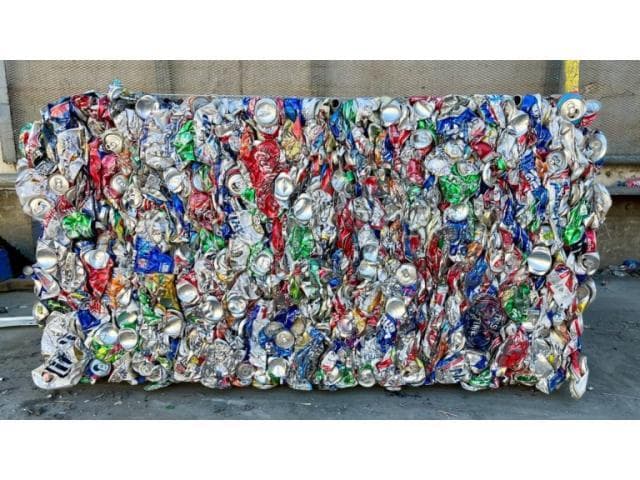
UBC is one of the most recognisable aluminium scrap grades globally. Sourced from post-consumer aluminium cans, UBC is typically baled or briquetted before export.
It is a high-volume grade with relatively predictable composition, making it a consistent feedstock for secondary aluminium smelters. Buyers evaluate UBC on bale density, moisture content, and contamination from non-aluminium materials.
Zorba and Zurik
Zorba is a mixed non-ferrous shredder fraction produced from automotive shredding operations. It contains aluminium alongside other non-ferrous metals and is further refined downstream to separate individual metal streams.
Zurik is a related shredded fraction with a higher proportion of stainless steel and other mixed non-ferrous material. Both grades are traded on a composition and yield basis rather than a single-metal price.
Preparation steps that protect grade value
- Remove steel fasteners, screws, and iron-bearing attachments before grading.
- Segregate different alloy families — extrusion, sheet, cast — into separate streams.
- Avoid mixing painted or coated material into clean extrusion grades.
- Bale or compact UBC to agreed density specifications before shipment.
- Document grade, preparation method, and estimated composition for buyer reference.
How Enreach Global Sources and Trades Aluminium Scrap
Enreach Global sources aluminium scrap across multiple grades from suppliers, recyclers, and industrial generators in North America. Material is evaluated against grade expectations before being offered to international industrial buyers.
Our focus is on transparent grade communication — presenting material accurately, supporting buyers with clear documentation, and maintaining consistency across repeat shipments.
Grade Knowledge Drives Better Trading Outcomes
Aluminium scrap trading rewards those who understand the grades they are handling. Clear grade identification, consistent preparation, and accurate documentation create the foundation for durable commercial relationships between suppliers and international industrial buyers.
Continue Your Sourcing Research
Use these internal resources to move from market research into supplier evaluation, product review, and direct industrial scrap enquiries.