Why Responsible Scrap Metal Recycling Matters for a Sustainable Future
Every tonne of scrap metal that re-enters industrial production is a tonne of primary ore that does not need to be mined, processed, and refined. That simple fact underpins the environmental and economic case for responsible scrap metal recycling.
Author
Enreach Global Editorial Team
Industrial Scrap Market Insights
The Environmental Case for Scrap Metal Recycling
Every tonne of scrap metal that re-enters industrial production is a tonne of primary ore that does not need to be mined, processed, and refined. That simple fact underpins the environmental and economic case for responsible scrap metal recycling.
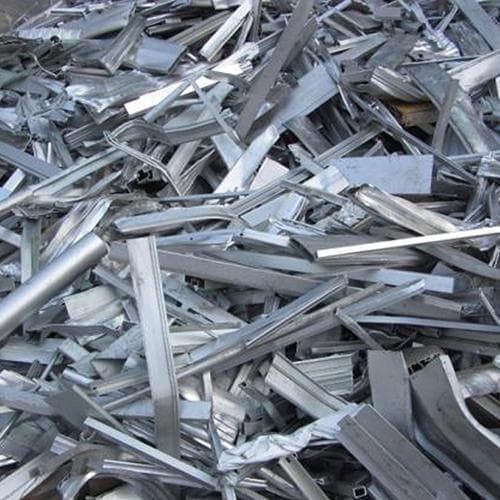
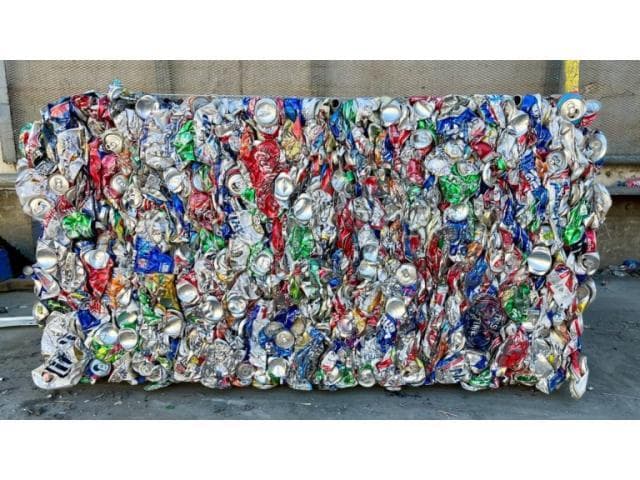
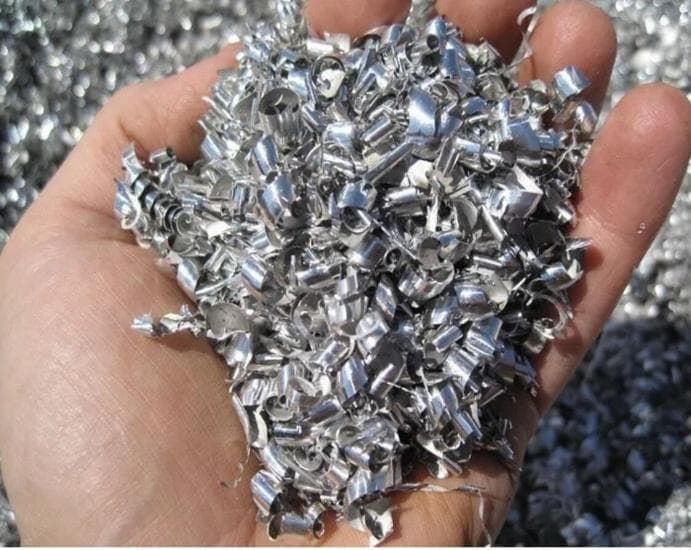
Aluminium recycling in particular demonstrates the energy efficiency of secondary metal production. The process of recovering aluminium from scrap requires a small fraction of the energy needed to produce primary aluminium from bauxite ore. This energy saving translates directly into reduced carbon emissions — a tangible environmental benefit that makes secondary aluminium a preferred feedstock for manufacturers with emissions reduction targets.
Copper recycling similarly conserves energy relative to primary production from ore. Copper is also a finite resource with a long mining and smelting supply chain. Keeping copper in productive use through recycling reduces the pressure on primary production and the environmental footprint of the metals industry.
What Makes Recycling Responsible
Not all scrap metal recycling delivers the same environmental or commercial value. The quality of recycling outcomes depends on how material is collected, sorted, prepared, and processed.
Accurate Sorting and Segregation
Mixed or contaminated scrap reduces metal recovery rates and increases processing waste. When materials are correctly sorted at source — separating aluminium alloy families, isolating clean copper from mixed wire, keeping different grades in distinct streams — downstream processors recover more usable metal from each tonne of input.
Better sorting means less material going to landfill or low-value residue streams, and more metal re-entering productive industrial use.
Contamination Control
Contaminated scrap — whether from oil, paint, plastic, or mixed metals — creates processing challenges and generates waste streams at the receiving facility. Contamination that exceeds a buyer's tolerance results in material being downgraded, re-sorted, or in some cases disposed of as waste.
Controlling contamination at the point of collection and preparation is the single most effective way to improve the environmental value of scrap metal recycling. Clean material yields more metal, generates less waste, and requires less energy to process.
Proper Documentation and Traceability
Responsible recycling increasingly requires documentation that traces material from origin to destination. This traceability supports compliance with import regulations, environmental reporting requirements, and sustainability disclosures.
For industrial buyers who must report on the recycled content of their products, sourcing from documented, traceable scrap streams is not simply preferable — it is becoming a regulatory and commercial requirement.
Sustainability and the Circular Economy
The circular economy model — keeping materials in productive use for as long as possible — relies on effective collection, sorting, and recycling of industrial materials. Scrap metal is one of the most commercially viable circular economy commodities because it retains significant value throughout its lifecycle.
Aluminium and copper can be recycled indefinitely without significant loss of material properties. This permanent recyclability makes them ideal circular economy materials — and makes the systems that collect, sort, and trade them critical infrastructure for a lower-carbon industrial economy.
Enreach Global's approach to scrap metal sourcing and trading is built on the principle that responsible recycling — accurate grading, clean preparation, complete documentation — serves both commercial and environmental objectives simultaneously.
How responsible recycling creates value at every stage
- Better-sorted scrap yields higher metal recovery rates for downstream processors.
- Lower contamination reduces processing waste and energy consumption.
- Documented, traceable supply chains support buyer compliance and sustainability reporting.
- Consistent quality builds long-term commercial relationships between suppliers and industrial buyers.
- Every tonne of recycled metal displaces primary production and its associated resource and energy costs.
Enreach Global's Commitment to Responsible Trade
Enreach Global was founded with a commitment to making international scrap metal trade more transparent, reliable, and commercially valuable for every participant in the supply chain.
That commitment extends to the environmental dimension of what we do. By facilitating the movement of responsibly prepared, accurately documented scrap metal from suppliers to industrial buyers, we contribute to the global recycling economy and support the sustainable resource recovery that modern manufacturing increasingly depends on.
Recycling Is Both Responsible and Commercial
Responsible scrap metal recycling is not a compromise between environmental and commercial objectives — it is an alignment of them. Clean, well-prepared, accurately documented scrap metal delivers better outcomes for recyclers, better value for buyers, and a measurably smaller environmental footprint for the industries that depend on it.
Continue Your Sourcing Research
Use these internal resources to move from market research into supplier evaluation, product review, and direct industrial scrap enquiries.