How Global Aluminium Scrap Sourcing Supports the Recycling Industry
Aluminium recycling is one of the most energy-efficient processes in industrial metals. Producing aluminium from recycled scrap uses a fraction of the energy required to process primary bauxite ore, making secondary aluminium sourcing both commercially attractive and environmentally significant.
Author
Enreach Global Editorial Team
Industrial Scrap Market Insights
The Energy Case for Recycled Aluminium
Aluminium recycling is one of the most energy-efficient processes in industrial metals. Producing aluminium from recycled scrap uses a fraction of the energy required to process primary bauxite ore, making secondary aluminium sourcing both commercially attractive and environmentally significant.
This energy advantage translates directly into cost savings for smelters, cast houses, and aluminium manufacturers. As energy costs remain a major input variable for metals production, the economic case for sourcing reliable secondary aluminium feedstock continues to strengthen.
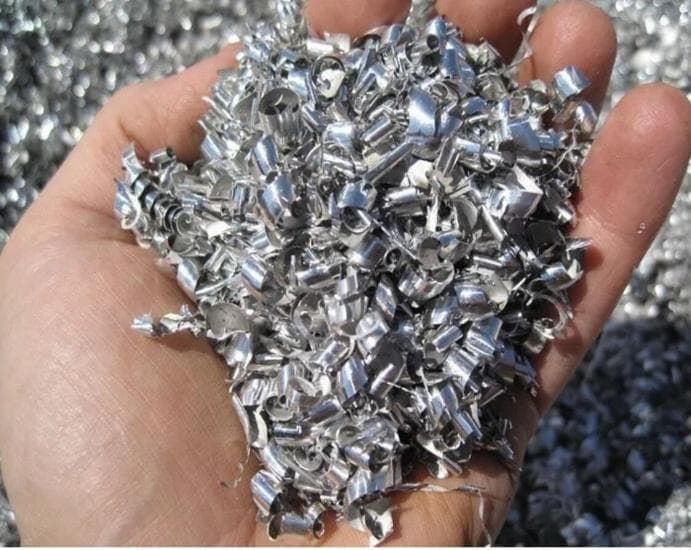
The result is consistent global demand for aluminium scrap across multiple grades — from clean extrusion and structural aluminium to mixed sheet, UBC, and shredded non-ferrous fractions like Zorba.
Where Aluminium Scrap Comes From
Aluminium scrap enters the recycling supply chain from several different source streams, each producing different grades and volumes.
Industrial and Manufacturing Sources
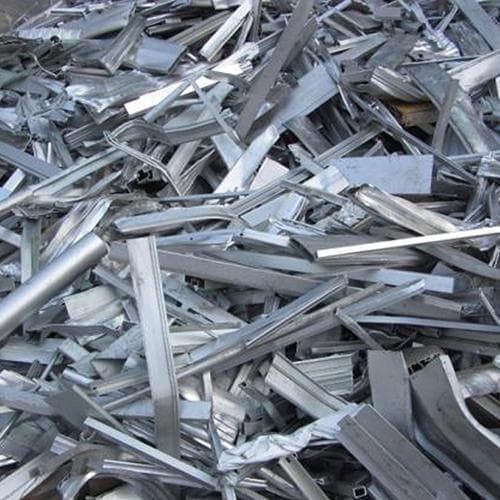
Manufacturing facilities generate aluminium scrap through production offcuts, rejected parts, tooling waste, and end-of-life equipment. This material is often clean and well-segregated, making it straightforward to grade and prepare for export.
Industrial generators are typically consistent suppliers — they produce scrap regularly as a byproduct of ongoing production — making them valuable partners for traders seeking reliable volume.
Construction and Demolition
Construction and demolition projects generate aluminium scrap from window frames, curtain walls, roofing profiles, structural sections, and other architectural aluminium components.
This material is often mixed with other building materials and requires sorting and preparation before it can be presented as a clean scrap grade. The effort invested in preparation determines how much value can be recovered from demolition-source aluminium.
Post-Consumer Streams
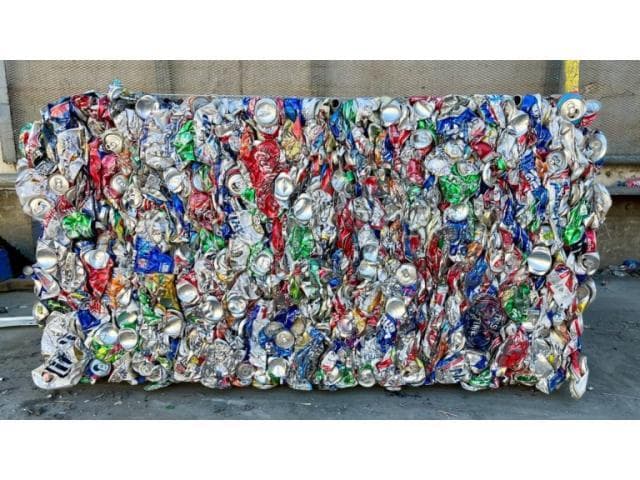
Post-consumer aluminium — primarily in the form of used beverage cans, foil, and small household aluminium items — is collected through municipal recycling programmes and traded as UBC or mixed aluminium fractions.
These streams are processed at scale and represent a consistent global supply of recyclable aluminium that feeds secondary smelting operations worldwide.
How International Sourcing Works
Global aluminium scrap sourcing involves connecting supply — wherever it originates — with buyers who can use it efficiently. A trader or trading company acts as the commercial bridge between local generators and international industrial buyers.
For buyers, the value of a sourcing partner lies in their ability to maintain consistent supply, verify grade quality, manage documentation, and coordinate logistics across time zones, shipping routes, and regulatory environments.
For suppliers, access to international buyers often means better pricing than can be achieved through purely domestic channels — particularly when domestic demand for certain grades is limited or oversupplied.
What international aluminium buyers typically require
- Clearly identified grade with preparation method and contamination level declared.
- Minimum volume thresholds that justify container-load shipping economics.
- Pre-shipment weight and quality documentation.
- Reliable delivery schedule aligned with the buyer's production cycle.
- Responsive communication from the sourcing team throughout the transaction.
Enreach Global's Role in Aluminium Scrap Sourcing
Enreach Global sources aluminium scrap from industrial generators, recyclers, and traders across North America. We evaluate material against grade standards, coordinate preparation where needed, and connect verified supply with international industrial buyers.
Our approach focuses on reliable, documented sourcing that gives buyers the confidence to commit to repeat transactions — and gives suppliers access to buyers who value quality over the lowest possible price.
Sourcing Is the Foundation of Recycling
Global aluminium scrap sourcing is what makes industrial recycling possible at scale. When sourcing is disciplined, well-documented, and backed by consistent preparation, it creates the reliable material flows that keep secondary aluminium production running efficiently — and commercially.
Continue Your Sourcing Research
Use these internal resources to move from market research into supplier evaluation, product review, and direct industrial scrap enquiries.