Copper Scrap Trading: Understanding Different Copper Scrap Grades
Copper is one of the most valuable metals in the global scrap market. Its high conductivity, malleability, and broad industrial application make copper scrap a consistently sought-after feedstock for refineries, rod mills and foundries worldwide.
Author
Enreach Global Editorial Team
Industrial Scrap Market Insights
Why Copper Scrap Grades Matter in International Trade
Copper is one of the most valuable metals in the global scrap market. Its high conductivity, malleability, and broad industrial application make copper scrap a consistently sought-after feedstock for refineries, rod mills and foundries worldwide.
Unlike some commodity metals, copper scrap trades across a wide range of grades — each with different copper content, contamination levels, and processing requirements. The grade directly determines the price a buyer can offer, because it determines how much refined copper can be recovered and at what processing cost.
For both buyers and sellers, clear grade identification is not simply best practice — it is the commercial foundation of a transaction.
Major Copper Scrap Grades
The following grades represent the core copper scrap categories commonly traded in international markets and actively sourced by Enreach Global.
Millberry — Bare Bright Copper Wire
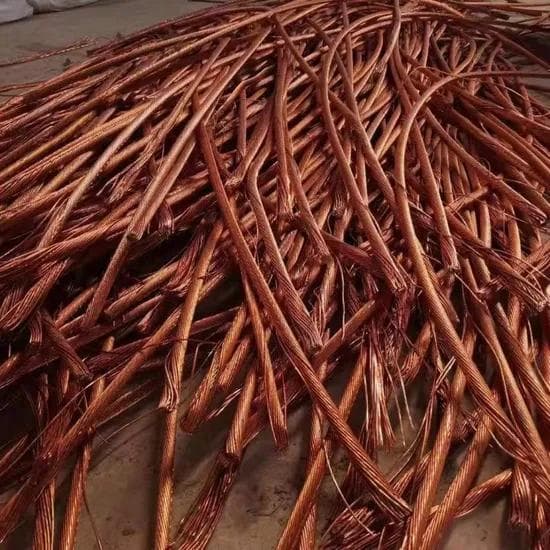
Millberry is the highest-grade copper wire scrap. It consists of clean, uncoated, unalloyed copper wire with a bright copper surface and no insulation, solder, plating, or coating of any kind.
Because of its high copper content and direct chargeability, Millberry typically commands the best price in the copper scrap market. Buyers value it for its consistent composition and minimal processing requirements.
Birch / Cliff — No. 1 Copper
No. 1 copper scrap includes clean copper wire, bus bars, commutator segments, and similar solid copper material that is free from excessive oxidation and contamination.
It accepts a slightly broader range of material than Millberry but still requires that material be clean, unalloyed, and free from insulation, paint, or attached non-copper components.
Candy — No. 2 Copper
No. 2 copper scrap covers a wider range of recovered copper material including pipe sections, sheet copper, mixed wire with some oxidation, and copper pieces that do not meet the cleaner No. 1 standard.
The grade is still valuable but is priced at a discount to No. 1 because of the additional processing required. Buyers factor in the cost of cleaning, sorting, and smelting less pure material when calculating their offers.
Berry — Copper Wire
Berry grade copper refers to bundled or loose copper wire that may include some insulated or mixed wire content. It is traded on a yield or net copper content basis, with buyers pricing based on estimated recoverable copper after processing.
Consistent presentation — clearly separated from non-copper materials — improves pricing outcomes for Berry grade material.
Copper Transformers, Motors, and Radiators
These are composite scrap items containing copper alongside other materials including steel, aluminium, and insulation. They are valued on an estimated copper content basis and are processed to recover copper windings, tubes, and other copper-bearing components.
Preparation — draining oil from transformers, removing obvious non-copper attachments — improves the value and reduces handling costs at the buyer's facility.
Factors that determine copper scrap pricing
- Copper content and purity — higher copper content commands better pricing per tonne.
- Physical form — wire, pipe, sheet, composite, granule — affects processing method and cost.
- Presence of insulation, solder, tinning, or coating reduces net recovery.
- Oxidation level — heavily oxidised material is discounted relative to bright clean copper.
- Volume and consistency — buyers offer stronger terms for reliable, repeatable supply.
How Enreach Global Trades Copper Scrap
Enreach Global sources copper scrap across multiple grades from suppliers and recyclers in North America. Material is evaluated at grade before being offered to industrial buyers, with full documentation supporting each shipment.
We focus on presenting copper scrap accurately — describing what we have rather than overstating grade — because accurate grade communication builds the buyer confidence that generates repeat business.
Grade Accuracy Builds Commercial Relationships
Understanding copper scrap grades is not simply technical knowledge — it is commercial capability. Suppliers who can accurately identify, prepare, and describe their material create better outcomes for buyers and build the kind of reliable supply reputation that sustains long-term trading relationships.
Continue Your Sourcing Research
Use these internal resources to move from market research into supplier evaluation, product review, and direct industrial scrap enquiries.