From Scrap Yard to Global Buyer: Understanding the Metal Export Journey
The journey from a scrap yard to an international industrial buyer is rarely a single step. It is a coordinated sequence of sourcing, preparation, verification, documentation, and logistics that determines whether the material arrives on time, at grade, and commercially viable.
Author
Enreach Global Editorial Team
Industrial Scrap Market Insights
The Starting Point: Sourcing and Material Evaluation
The export journey begins before any material is loaded. It starts when a trader, recycler, or sourcing team identifies available scrap metal — whether at a demolition site, manufacturing facility, recycling yard, or industrial seller.
At this stage, the key questions are practical: What grade is the material? What is the approximate volume? What condition is it in, and what preparation will be needed before it meets export-ready specifications? Has the seller worked with international buyers before, or is this their first export transaction?
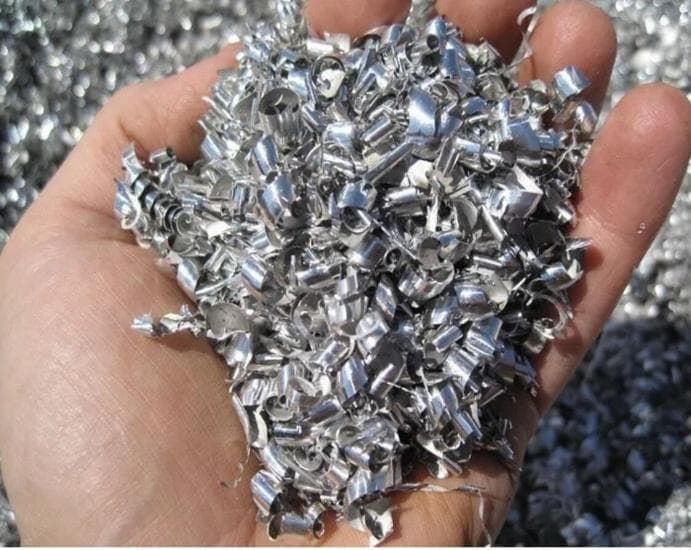
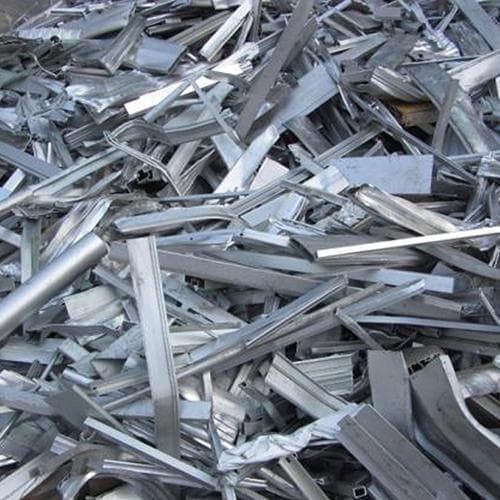
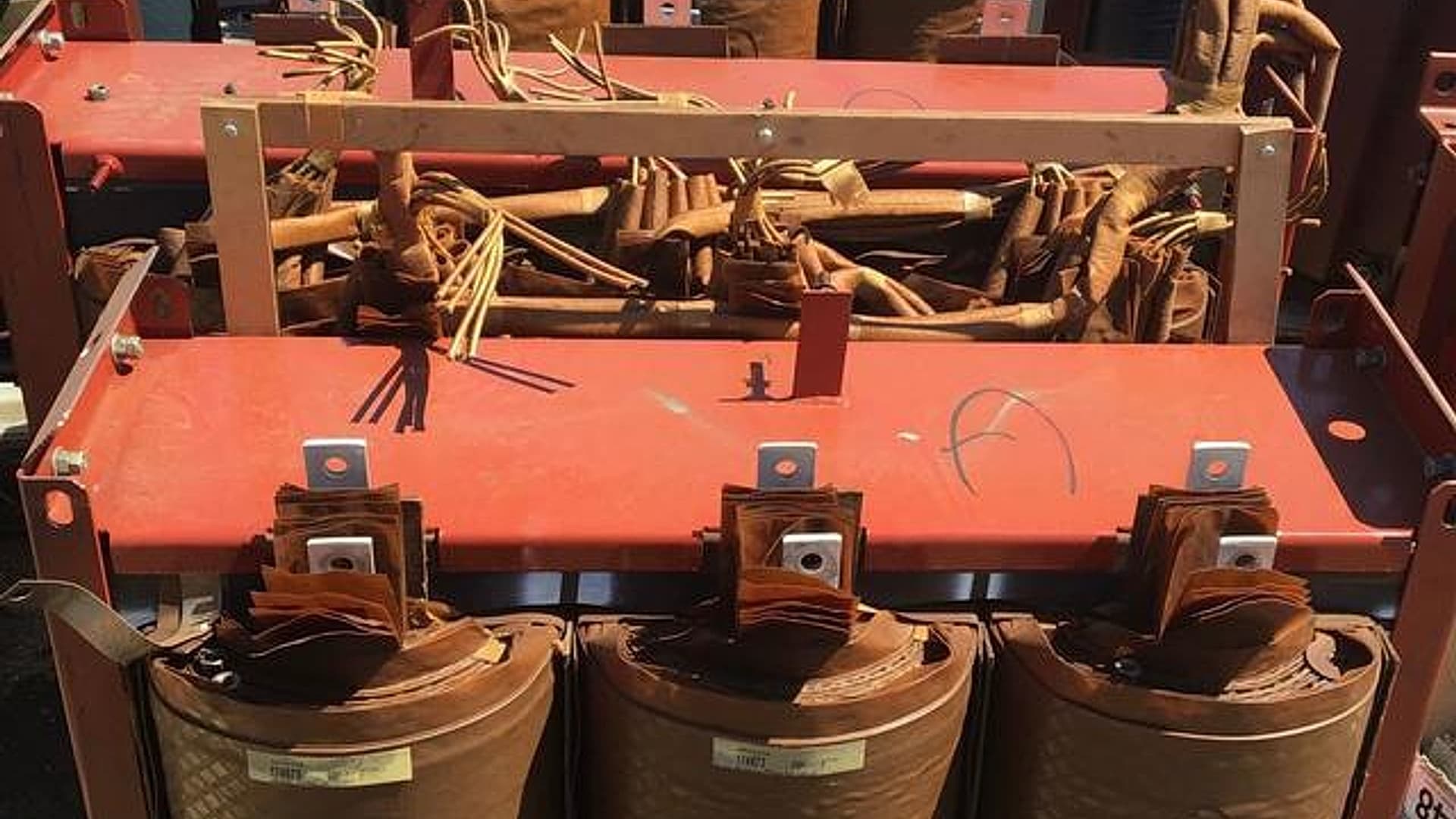
For copper scrap, this might mean evaluating whether material is clean bare bright wire, mixed insulated cable, or transformer copper — each requiring different preparation and attracting different buyer interest. For aluminium, the distinction between UBC bales, extrusion scrap, mixed Zorba, or cast turnings carries significant pricing and processing implications for the receiving buyer.
Material Preparation and Pre-Export Processing
Raw scrap material rarely leaves a yard in the exact form a buyer requires. Preparation — sorting by grade, removing contaminants, baling or shredding to specified dimensions, and separating mixed materials — is an essential step between acquisition and export.
For aluminium UBC (used beverage cans), this typically involves baling to specified dimensions and density. For copper wire, it may mean sorting by insulation type, stripping if specified, and separating different copper grades. For transformer copper, dismantling, cutting, and separating copper from iron and oil-soaked components is standard preparation.
The effort invested in preparation directly affects how buyers price and accept material. Well-prepared scrap commands better pricing and faces fewer quality disputes on arrival.
Why Preparation Standards Vary by Destination
Different importing countries and individual facilities have different tolerance levels and processing capabilities. A smelter in one market may accept material with higher contamination because it has the equipment to handle it economically. A foundry in another market may require near-zero iron content to protect its alloy integrity.
Understanding the specific requirements of the destination buyer before preparing the material prevents costly rework, repackaging, or — in the worst case — shipment rejection.
Quality Verification and Inspection
Before a shipment is confirmed, buyers typically require some form of quality verification. This may be a supplier-issued quality declaration, a third-party pre-shipment inspection by a recognised surveying company, or a combination of both.
Pre-shipment inspections assess weight, grade composition, contamination levels, and packing compliance. The resulting certificate gives the buyer confidence that what was agreed is what has been loaded.
For high-value copper shipments in particular, inspection by a neutral third party is standard practice. It protects buyers against misrepresentation and protects suppliers against post-delivery disputes.
Typical pre-shipment verification steps
- Grade and composition assessment against agreed specifications.
- Weighing at a certified scale with documented tare and gross weights.
- Visual and sample-based contamination check.
- Packing and loading confirmation — correct container type, stuffing method, and securing.
- Issuance of inspection certificate to accompany the shipment documentation.
Export Documentation and Compliance
Documentation is the formal record of the transaction and the legal basis for customs clearance at origin and destination. Errors, omissions, or inconsistencies in export documents can delay shipments by days or weeks, generate additional costs, and in some cases result in cargo being held or refused.
Standard export documents for scrap metal shipments typically include a commercial invoice, packing list, bill of lading, certificate of origin, and — depending on the importing country — additional declarations or permits related to scrap metal import regulations.
Regulatory frameworks governing scrap metal trade vary significantly by country. Some jurisdictions apply Basel Convention-related controls on certain scrap streams. Others require specific permits for importing certain metals or grades. Working with a trading partner who understands these requirements reduces compliance risk considerably.
Logistics, Shipping, and Delivery Coordination
Once material is prepared, verified, and documented, the logistics phase begins. This involves booking appropriate container types — 20-foot or 40-foot general purpose containers for most scrap grades — arranging inland transport to the port, completing port formalities, and coordinating with the shipping line for vessel booking.
Transit times for international scrap shipments vary widely depending on origin and destination. North American exports to Asian buyers typically transit 20 to 35 days. European exports to the Middle East or South Asia are often shorter. Buyers plan their inventory and production schedules around expected arrival dates, making shipment timing a commercial commitment — not just a logistics detail.
At every stage, communication between the exporter and the buyer keeps the transaction on track. Updates on loading progress, vessel booking confirmation, bill of lading issuance, and estimated arrival dates allow the buyer to prepare receiving logistics in advance.
How Enreach Global Coordinates the Full Journey
Enreach Global manages the export journey as an integrated process rather than a series of disconnected steps. From initial sourcing and grade evaluation through preparation oversight, documentation, vessel booking, and buyer communication, the goal is to maintain clarity and momentum at every stage.
For international buyers, this means receiving shipments that are what they were agreed to be — on grade, on time, and fully documented. For suppliers, it means working with a partner who handles the complexity of export coordination so they can focus on what they do best.
A Well-Managed Journey Creates Commercial Trust
The scrap metal export journey rewards those who manage it with discipline and transparency. Buyers who understand the process make better sourcing decisions. Suppliers who execute it well build the kind of reputation that generates repeat business and long-term commercial relationships.
Continue Your Sourcing Research
Use these internal resources to move from market research into supplier evaluation, product review, and direct industrial scrap enquiries.