How Aluminium Scrap Recycling Supports Sustainable Manufacturing
Aluminium scrap recycling has become a practical strategy for manufacturers that want lower energy intensity, better resource efficiency, and a more credible circular sourcing narrative across industrial supply chains.
Author
Enreach Global Editorial Team
Industrial Scrap Market Insights
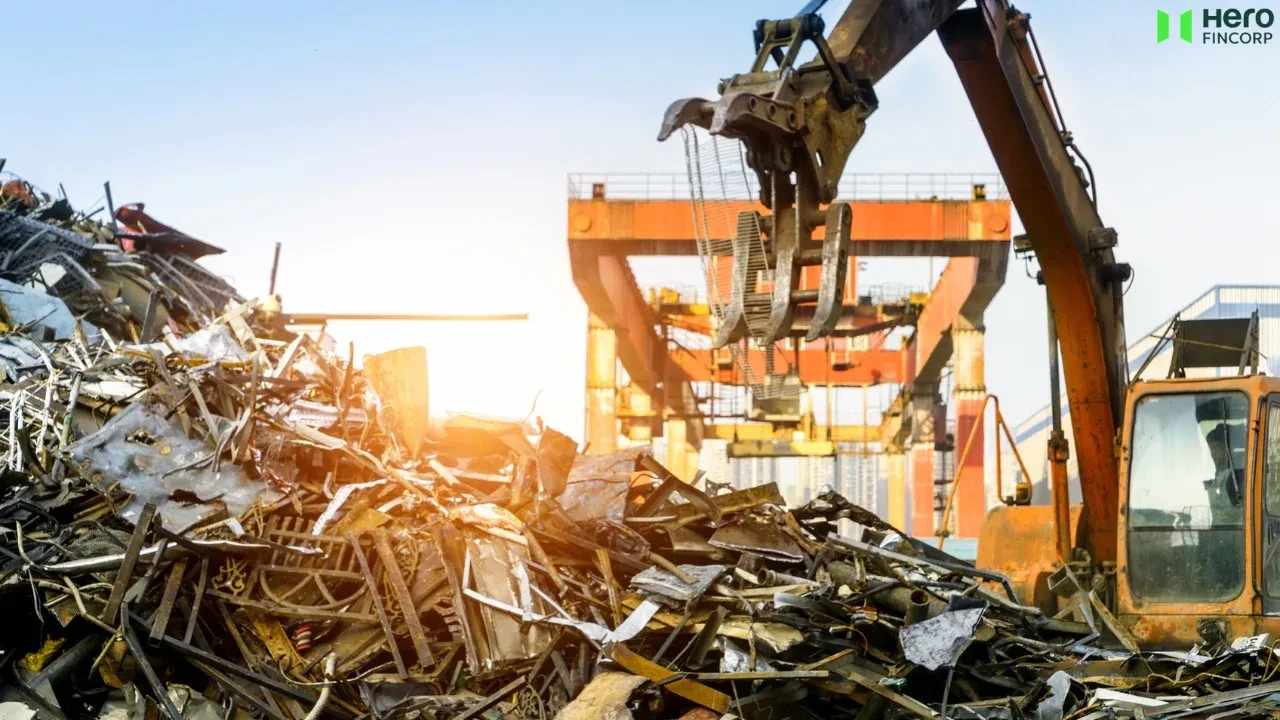
Recycled aluminium plays a central role in sustainable production
Manufacturers across packaging, mobility, construction, and engineering sectors are expanding their use of recycled aluminium because it supports both cost discipline and sustainability objectives. Scrap-based supply helps reduce dependence on primary metal while improving circular material utilization.
As procurement teams face higher expectations around environmental performance, aluminium scrap recycling is becoming a practical supply-chain strategy rather than a purely compliance-driven initiative.
Circular material use is becoming a strategic procurement priority
Industrial buyers are increasingly evaluating how secondary aluminium fits into long-term sourcing plans. This is especially relevant for businesses that need to balance budget control with more visible sustainability commitments.
Efficient scrap preparation improves manufacturing outcomes
Not all aluminium scrap delivers equal production value. Clean, well-separated material such as UBC, Tally, cables, and utensils can improve melt efficiency and reduce recovery losses when prepared correctly.
The quality of incoming scrap directly affects furnace behavior, alloy control, and downstream production consistency. That is why industrial buyers increasingly prefer trading partners that understand specification alignment.
Clean inputs improve downstream operating stability
When aluminium scrap streams are prepared with better separation and handling discipline, manufacturers can plan melt behavior with greater confidence. That improves output consistency and reduces avoidable rework in specification-sensitive applications.
What high-quality aluminium scrap preparation improves
- Lower contamination reduces unnecessary processing loss
- Better sorting supports predictable alloy recovery
- Consistent feedstock planning improves plant utilization
Sustainability reporting is pushing procurement toward recycled inputs
Manufacturing businesses are under pressure to show measurable progress on energy efficiency and resource use. Aluminium scrap recycling supports that objective by extending material life and strengthening circular sourcing narratives.
For many buyers, the commercial value now includes both plant performance and the ability to demonstrate more responsible industrial sourcing decisions.
Reporting expectations are changing supplier conversations
Buyers no longer view recycling claims as a marketing add-on. They want suppliers who understand how recycled aluminium supports ESG disclosures, internal procurement targets, and customer-facing sustainability requirements.
The market outlook favors disciplined recycling supply chains
Businesses that source aluminium scrap with better quality controls, clearer category definitions, and reliable logistics are in a stronger position to serve modern manufacturing requirements.
Recycling alone is not the differentiator. The real advantage comes from organized trading, specification discipline, and dependable execution from collection through shipment.
Conclusion: aluminium scrap recycling is now an operational advantage
Aluminium scrap recycling supports sustainable manufacturing most effectively when quality preparation, logistics discipline, and buyer requirements are treated as one connected process. Suppliers that deliver that consistency can create stronger long-term value for industrial manufacturers.
Continue Your Sourcing Research
Use these internal resources to move from market research into supplier evaluation, product review, and direct industrial scrap enquiries.