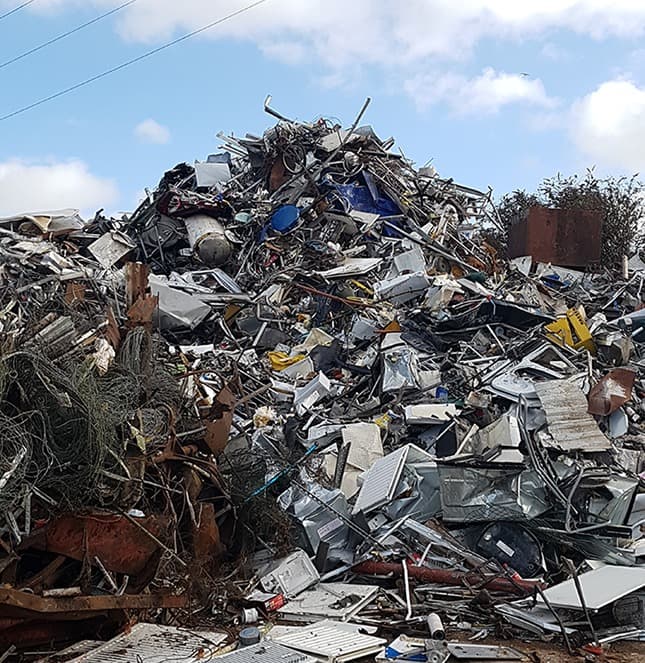
Top Copper Scrap Export Trends in 2026
Copper scrap export trends in 2026 are being driven by tighter grade expectations, more disciplined documentation, and buyers who want operational certainty as much as a competitive offer price.
Author
Enreach Global Editorial Team
Industrial Scrap Market Insights
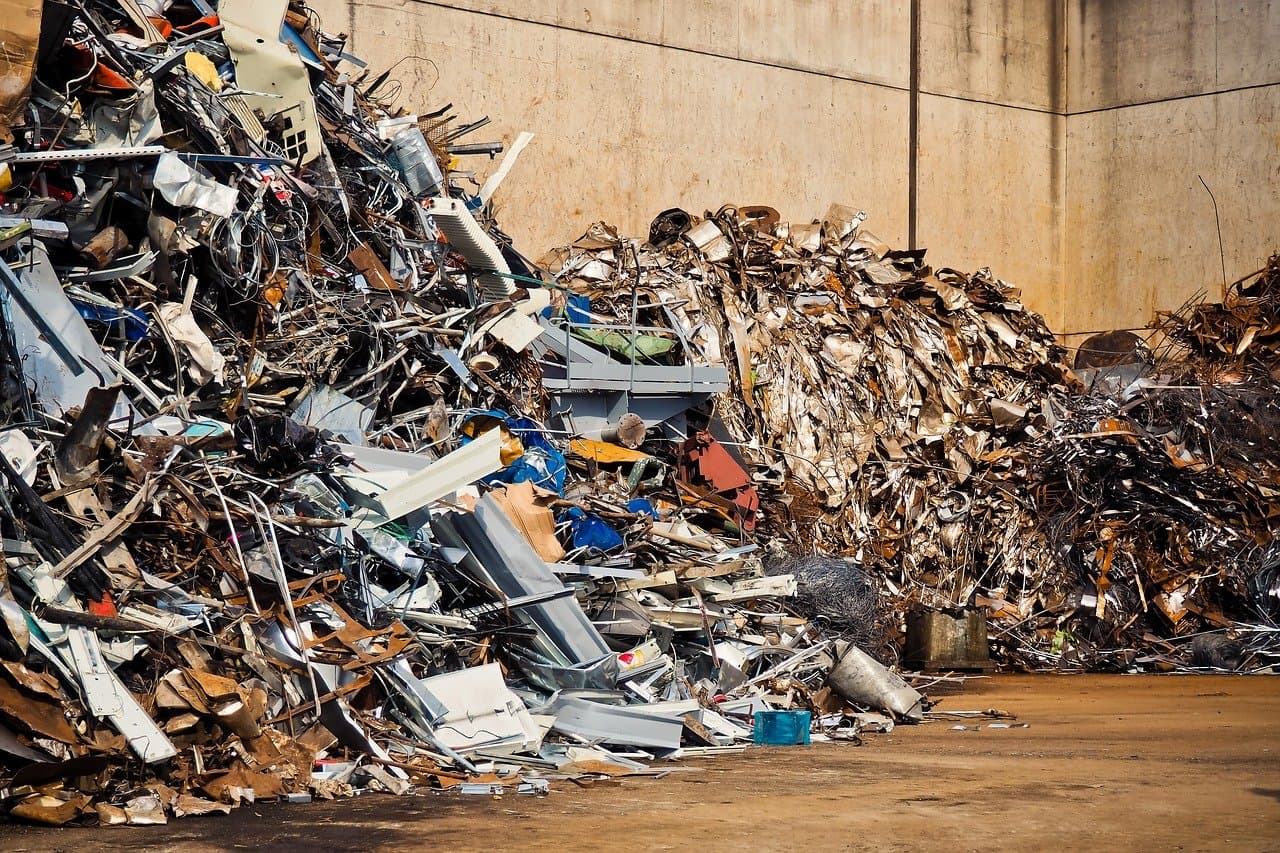
Why copper scrap exports remain a strategic industrial market
Copper scrap continues to command strong international interest because it supports efficient metal recovery without the lead times associated with primary mining supply. Industrial buyers are increasingly prioritizing consistent feedstock, documented quality, and predictable shipment scheduling.
For exporters, the opportunity in 2026 is not only about moving volume. It is about supplying copper scrap grades that align with downstream conductivity standards, furnace performance targets, and compliance expectations in destination markets.
Industrial buyers are prioritizing supply continuity
Procurement teams want scrap programs that can support continuous production planning rather than one-off opportunistic purchases. That means exporters with stable sourcing and clear shipment timing are more attractive than sellers competing only on short-term discounts.
Grade clarity is becoming more important than headline price
Buyers are scrutinizing grade declarations more carefully, especially for Berry, Birch Cliff, and mixed copper-bearing material. Exporters that can present clear sorting practices, low contamination levels, and commercially accurate grade descriptions are winning stronger repeat business.
This shift means the most competitive suppliers are the ones that reduce uncertainty before the shipment leaves origin. Commercial trust now has a direct impact on realized margins.
Specification discipline reduces commercial friction
When buyers receive material that matches the declared grade, they spend less time resolving claims and more time building confidence in future shipments. That is a major advantage in export markets where one poor lot can slow an entire relationship.
Copper scrap export priorities for industrial buyers
- Documented purity expectations for each lot
- Photographic pre-shipment quality confirmation
- Stable packaging and loading standards for safer handling
Logistics and compliance now influence trading decisions earlier
Many industrial buyers are evaluating logistics readiness before finalizing purchases. Port timelines, documentation accuracy, and export handling discipline are affecting supplier selection almost as much as price negotiations.
A well-prepared copper scrap shipment reduces avoidable delays, protects working capital, and improves buyer confidence across multi-shipment relationships.
Documentation quality supports faster customs clearance
Commercial invoices, packing lists, and shipment descriptions need to reflect the actual cargo profile clearly. Exporters that treat paperwork as part of product quality are better positioned to avoid friction at destination ports.
What exporters should focus on in 2026
The copper scrap market in 2026 rewards operational consistency. Exporters should strengthen grading, maintain disciplined communication, and align offers with real buyer use cases rather than generic commodity positioning.
Businesses that combine reliable sorting with transparent trade execution are better placed to build durable international copper scrap programs.
Conclusion: disciplined execution is shaping copper scrap export growth
Copper scrap export trends in 2026 point toward a more quality-sensitive and process-driven market. Companies that pair accurate grading with predictable logistics, transparent communication, and buyer-specific positioning will be in the strongest position to grow international copper scrap trade relationships.
Continue Your Sourcing Research
Use these internal resources to move from market research into supplier evaluation, product review, and direct industrial scrap enquiries.