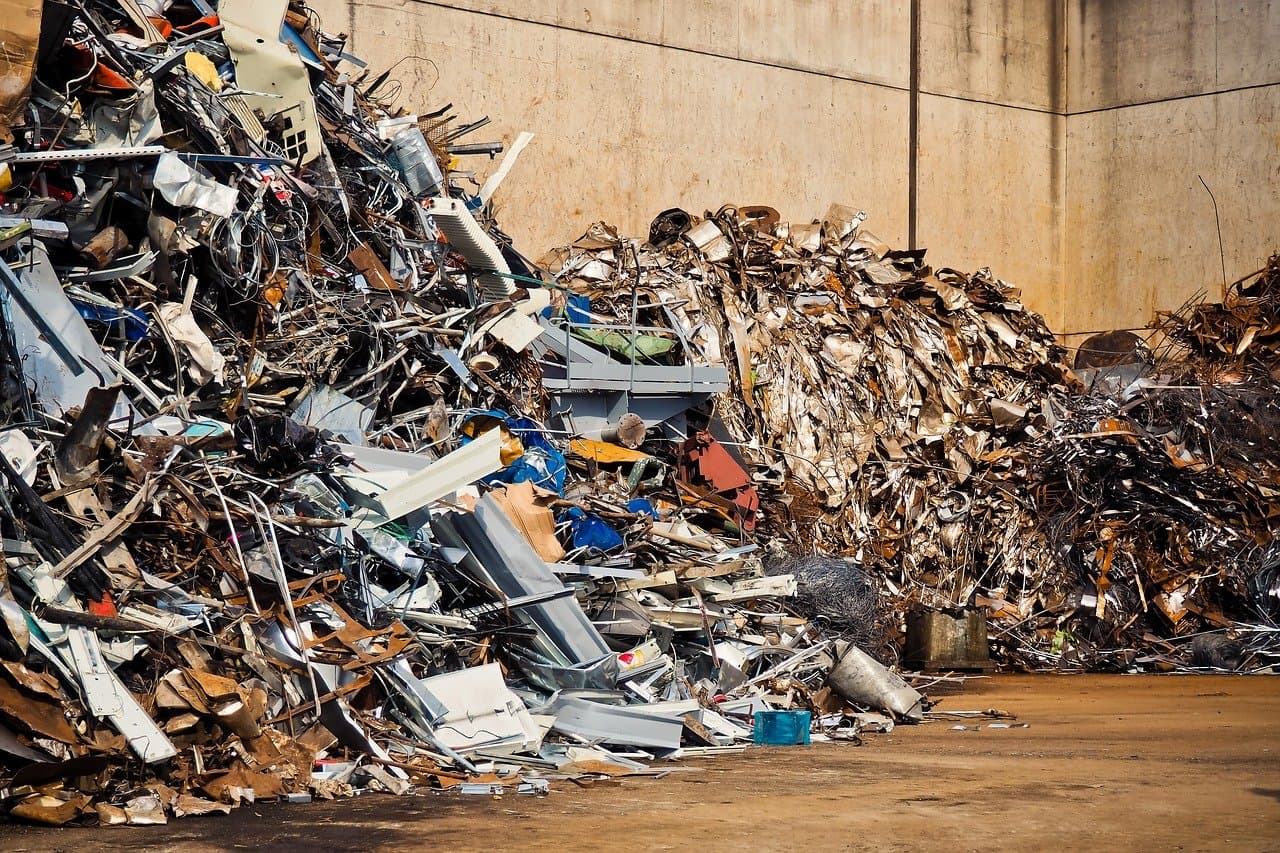
Industrial Brass Scrap Demand in Global Markets: 2026 Outlook
Industrial brass scrap demand in 2026 is being shaped by foundries and engineering manufacturers that want cleaner yellow brass streams, better export readiness, and greater confidence in grade consistency.
Author
Enreach Global Editorial Team
Industrial Scrap Market Insights
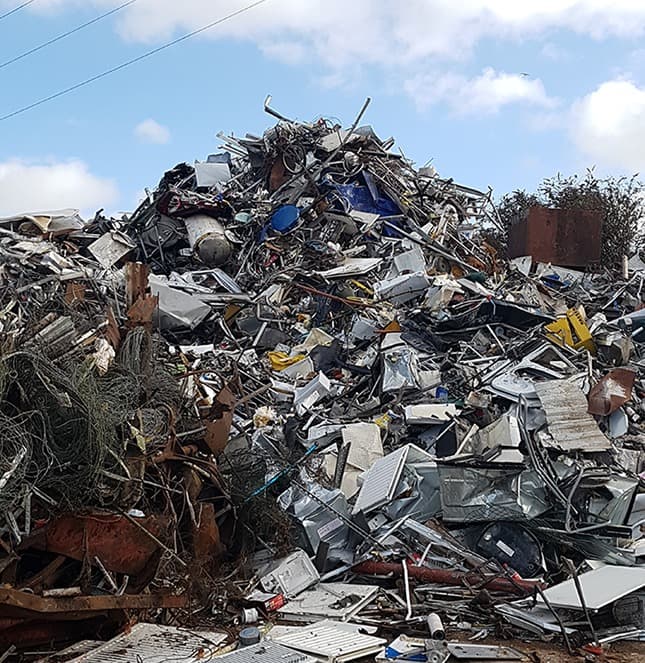
Brass scrap continues to attract steady industrial buying interest
Brass scrap remains relevant across foundries, component manufacturers, and engineering buyers that value copper-zinc alloys for their machinability and reuse potential. Demand is especially resilient for clean yellow brass streams and well-prepared rod material.
In 2026, the brass scrap market is being shaped by quality consistency, export readiness, and the ability to match supply with downstream metallurgical requirements.
Stable demand is tied to reuse efficiency
Buyers want brass scrap categories that integrate smoothly into existing melting and processing programs. Material that is easy to identify, sort, and charge into production retains stronger commercial relevance across global markets.
Honey Scrap and brass rod grades are seeing focused demand
Buyers are favoring brass grades that are easy to assess, load, and process. Honey Scrap is attractive because it can fit predictable secondary melting programs, while brass rod and turning grades appeal to buyers working with more specification-sensitive reuse channels.
This means sorting accuracy and contamination control remain key commercial differentiators for sellers targeting premium industrial buyers.
Premium buyers reward predictability
When brass scrap shipments arrive with consistent sizing, lower contamination, and commercially accurate descriptions, buyers can plan reuse more efficiently. That predictability often matters more than a nominally lower offer from an inconsistent supplier.
What buyers expect from brass scrap suppliers
- Cleaner brass fractions improve buyer confidence
- Accurate grade naming reduces claim risk
- Export-ready packing helps protect shipment value
Regional trade execution matters as much as scrap availability
Global buyers want suppliers that can coordinate documentation, loading discipline, and shipment timing without creating uncertainty around delivery windows. As a result, reliable execution has become part of the product itself.
Industrial brass scrap demand is therefore strongest for sellers that combine material access with consistent commercial processes.
Export readiness strengthens repeat trade potential
Suppliers that treat packaging, traceability, and shipment communication as core parts of their service are better placed to support multi-shipment programs. That is increasingly important in a brass market where buyers want fewer surprises and faster commercial alignment.
How suppliers can compete more effectively
Suppliers should focus on clearer inventory visibility, quality documentation, and direct alignment with the consumption priorities of foundries and processors. Brass scrap trading works best when offers are built around real industrial use, not generic commodity descriptions.
A disciplined operating model helps turn one-off transactions into repeat brass scrap trade relationships across global markets.
Conclusion: brass scrap demand favors organized, export-ready suppliers
The 2026 brass scrap market continues to reward suppliers that combine clean material preparation with reliable trade execution. Businesses that can deliver specification clarity, operational discipline, and buyer-focused communication will be better positioned to capture lasting brass scrap demand in global markets.
Continue Your Sourcing Research
Use these internal resources to move from market research into supplier evaluation, product review, and direct industrial scrap enquiries.