How Scrap Metal Quality Impacts Global Trade & Buyer Decisions
In international scrap metal trade, quality is not simply a preference — it is a core commercial variable that determines whether a shipment is accepted, repriced, or rejected at the point of inspection.
Author
Enreach Global Editorial Team
Industrial Scrap Market Insights
Why Material Quality Defines Trading Outcomes
In international scrap metal trade, quality is not simply a preference — it is a core commercial variable that determines whether a shipment is accepted, repriced, or rejected at the point of inspection.
Industrial buyers — whether smelters, refineries, foundries, or recycling processors — operate within tight material specifications. When incoming scrap deviates from agreed grade, it introduces downstream cost, production disruption, and equipment risk. For that reason, buyers do not simply evaluate price per tonne. They evaluate the reliability of the grade being offered.
Suppliers who consistently deliver what they describe build a different kind of commercial relationship than those who frequently vary. That consistency becomes a competitive advantage, particularly as buyer procurement teams work to reduce the number of active suppliers they manage.
How Buyers Evaluate Scrap Metal Quality
When an industrial buyer receives a quotation for scrap copper, aluminium, or other metals, quality assessment begins well before the material arrives at the port. Buyers look at how material has been described, whether the grade aligns with recognised international standards, and what preparation steps have been completed.
Grading and Sorting Consistency
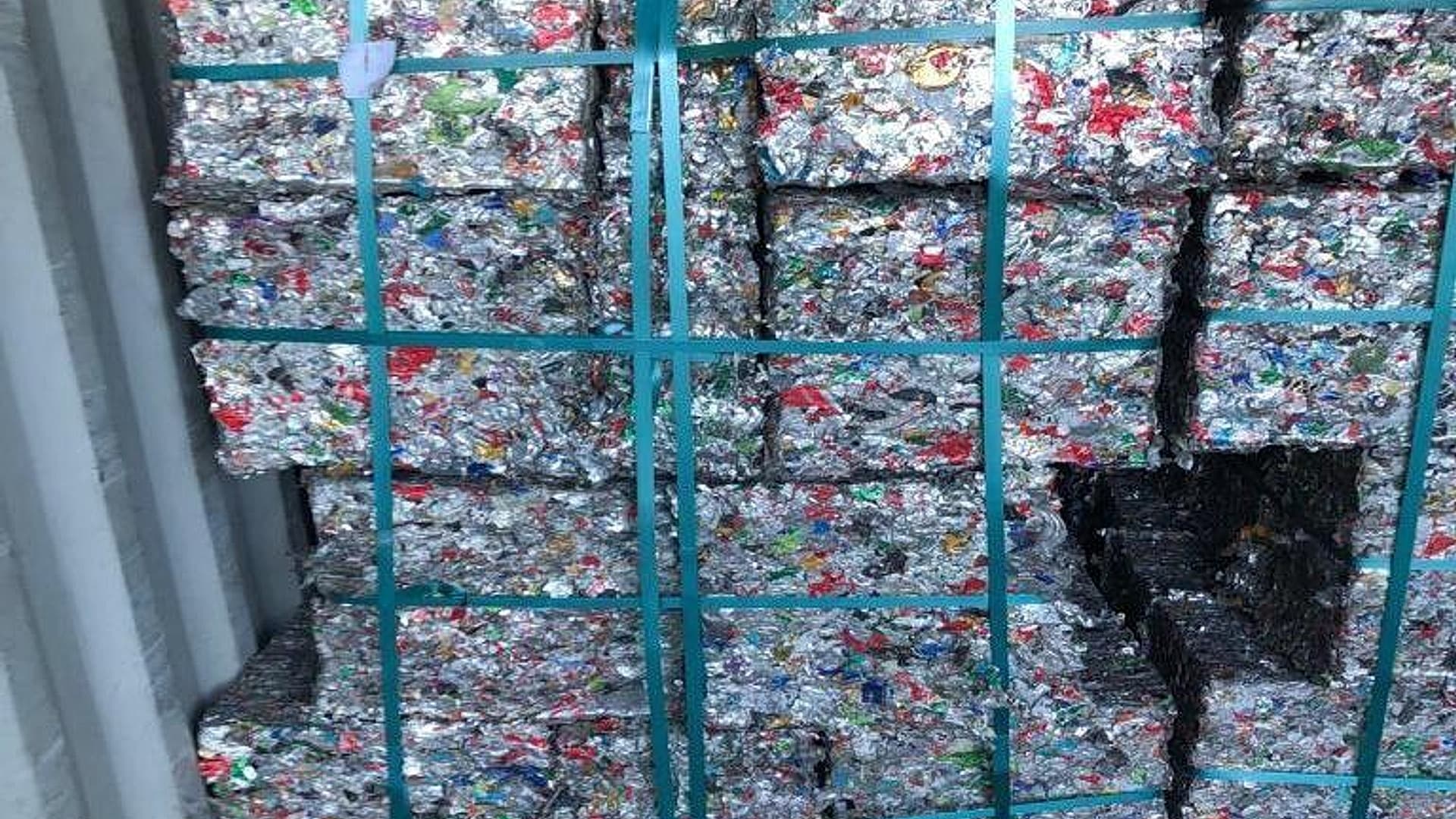
Established scrap grades — such as UBC for used beverage can aluminium, Tally for mixed aluminium, Berry for No. 2 copper, or Birch Cliff for No. 1 copper — carry expectations about alloy composition, physical form, and contamination limits. Buyers benchmark against these standards when calculating processing costs and metal recovery rates.
When a supplier presents material that is consistently sorted to grade, buyers can price with confidence. When material is inconsistently graded or mixed, buyers either discount heavily or decline the inquiry entirely.
Contamination and Its Commercial Consequences
Contamination in scrap metal — oil, plastic, rubber, iron content, moisture, or non-metallic attachments — reduces recoverable metal content and adds processing cost at the receiving facility. Contaminated loads may be subject to renegotiation, additional handling charges, or outright rejection depending on the buyer's tolerance levels.
For aluminium scrap in particular, iron contamination significantly affects melt quality and alloy integrity. For copper grades, the presence of insulation, solder, or mixed alloys determines whether material can be directly charged into a furnace or requires additional processing.
Suppliers who invest in pre-shipment sorting, separation, and cleaning — even at a basic level — tend to achieve better average prices over time because their material generates fewer buyer disputes.
Documentation and Pre-Shipment Verification
Accurate documentation is the commercial bridge between what a supplier claims and what a buyer accepts. Weight reports, grade declarations, packing lists, and inspection certificates create a verifiable record that protects both parties.
For international shipments, buyers also require documentation that satisfies import customs requirements in their jurisdiction. Missing, inaccurate, or inconsistent documents delay clearance, create demurrage costs, and damage the supplier's credibility for future transactions.
What quality-conscious buyers look for in every shipment
- Clearly declared grade aligned with internationally recognised scrap metal classifications.
- Consistent physical presentation — sorted, de-ironed, and free from excessive contamination.
- Accurate weight and packing documentation that matches the actual load.
- Pre-shipment inspection reports where the buyer requires third-party verification.
- Responsive communication when material characteristics change between quotation and shipment.
The Long-Term Value of Quality Discipline
Industrial buyers operating at scale are not looking for the cheapest price on each individual transaction. They are looking for suppliers who can maintain volume, grade consistency, and lead times across multiple shipments. A single high-quality delivery opens a conversation. Repeated high-quality deliveries build a preferred supplier relationship.
From a supplier's perspective, the investment in quality preparation — better sorting equipment, cleaner storage, more precise weighing — is recovered over time through fewer disputes, stronger average pricing, and more consistent demand from established buyers.
Enreach Global's approach to scrap metal sourcing and export coordination is built around this principle. Material is only presented to international buyers when it meets grade expectations, documentation is complete, and logistics have been planned to protect quality through the shipping process.
How Enreach Global Supports Quality-Focused Trade
Enreach Global works with suppliers, recyclers, and industrial sellers to ensure that material being offered to international buyers is accurately described, appropriately prepared, and supported by complete export documentation.
Our coordination role spans from initial sourcing and grade evaluation through to shipment planning and buyer communication — ensuring that quality expectations are defined early and maintained throughout the transaction.
Quality Is a Commercial Strategy
Scrap metal quality is not just a technical specification — it is a commercial strategy. Suppliers who treat grading, contamination control, and documentation as core parts of their trading process create better outcomes for buyers and stronger long-term positions for themselves in the global market.
Continue Your Sourcing Research
Use these internal resources to move from market research into supplier evaluation, product review, and direct industrial scrap enquiries.