From Sourcing to Shipment: How International Scrap Metal Trade Works
International scrap metal trade is more structured than it might appear from the outside. Each transaction involves multiple coordinated steps — from identifying and evaluating available material through to loading a container and delivering documentation to the buyer.
Author
Enreach Global Editorial Team
Industrial Scrap Market Insights
The Structure of an International Scrap Metal Transaction
International scrap metal trade is more structured than it might appear from the outside. Each transaction involves multiple coordinated steps — from identifying and evaluating available material through to loading a container and delivering documentation to the buyer.
Understanding this structure matters for both sides. Buyers who understand the sourcing and logistics chain can set realistic expectations around timing, documentation, and quality. Suppliers who understand what international buyers require can prepare their material and their paperwork to meet those expectations.
Stage 1: Sourcing and Material Identification
The process begins with identifying available material. A trader, exporter, or sourcing company works with suppliers — recyclers, industrial generators, demolition contractors, or metal dealers — to identify what grades are available, in what volumes, and in what condition.
At this stage, the key commercial questions are: Does the material meet the grade specifications that buyers are willing to pay for? What preparation is needed? Is the volume sufficient for a container-load shipment? What is the realistic timeline from acquisition to loading?
Stage 2: Preparation and Pre-Export Processing
Most scrap metal requires some level of preparation before it is export-ready. This may involve sorting by grade, removing contaminants, baling compressible material, cutting oversized pieces, draining fluids from composite items, or separating mixed metals.
The level of preparation required depends on the grade, the buyer's specifications, and the importing country's regulations. Preparation that is skipped at origin often becomes a problem at destination — either as a quality dispute, a customs issue, or additional processing cost charged back to the seller.
Aluminium Preparation
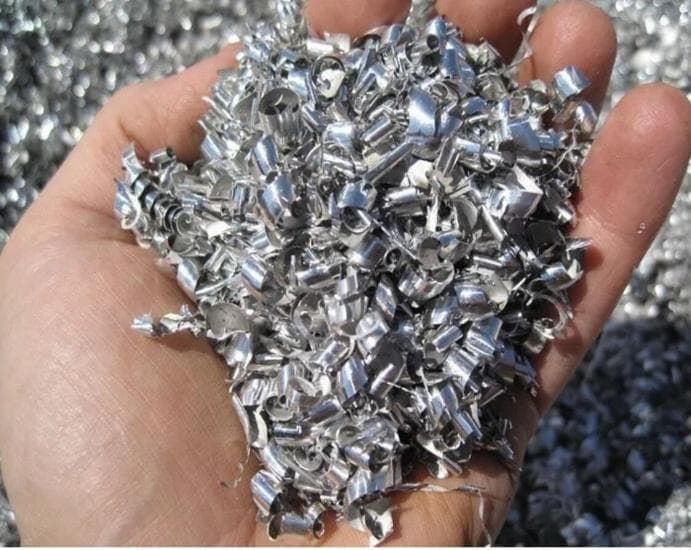
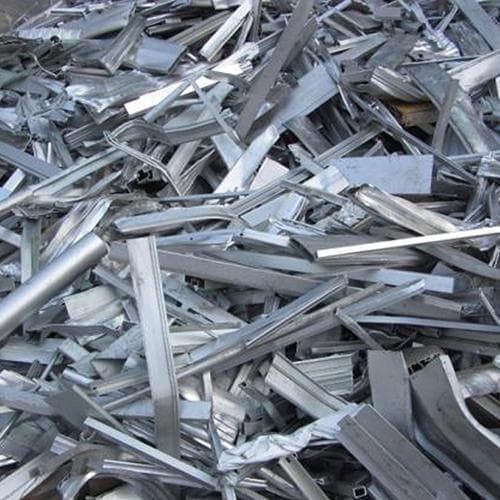
Aluminium scrap preparation typically involves removing iron and steel attachments, separating different alloy families, and — for UBC — baling to specified dimensions and density.
Copper Preparation
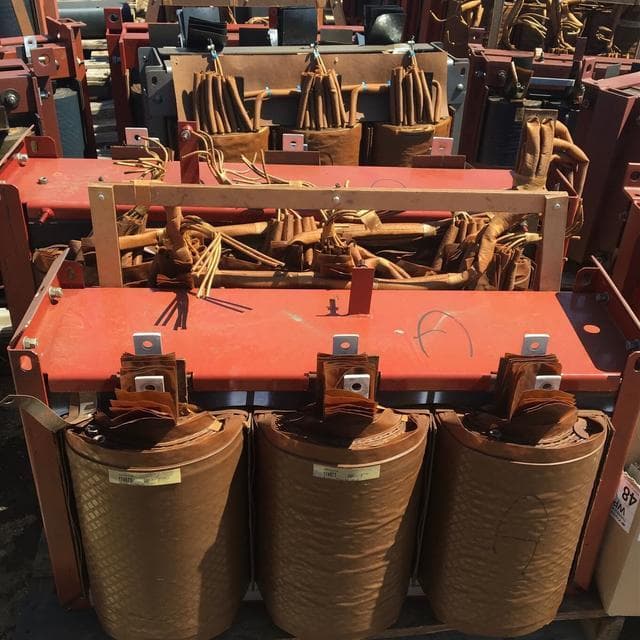
Copper preparation ranges from stripping insulation from wire scrap to dismantling composite items like transformers and motors to isolate clean copper components.
Stage 3: Quality Verification
Before a shipment is confirmed, buyers typically require weight and quality verification. This may take the form of a supplier-issued declaration, a third-party inspection by a surveying company, or both.
Third-party inspections are standard for higher-value shipments and for buyers who have not previously traded with a supplier. They provide an independent record of what was loaded — protecting both the buyer's interests and the seller's reputation.
Standard pre-shipment checks
- Weight measurement at a certified scale with tare and gross documented.
- Visual grade assessment against agreed specifications.
- Contamination check for non-target metals, moisture, and attached materials.
- Container stuffing and securing inspection.
- Issuance of weight certificate and inspection report.
Stage 4: Export Documentation
Export documentation is the formal record that enables customs clearance at origin and destination. Standard documents for a scrap metal shipment typically include a commercial invoice, packing list, bill of lading, and certificate of origin.
Some importing countries require additional documentation — radiation clearance certificates, pre-shipment inspection certificates from approved agencies, or specific import permits for scrap metal categories. Understanding the destination country's import requirements before shipment avoids costly delays at port.
Stage 5: Logistics and Delivery
Once documentation is in order, the logistics phase moves into execution — inland transport to the port, port formalities, container loading, vessel booking, and bill of lading issuance.
The buyer is kept informed throughout: loading progress, vessel name, estimated departure, bill of lading details, and estimated arrival at the destination port. This visibility allows the buyer to prepare receiving logistics and plan production scheduling around the incoming material.
Enreach Global manages this full process — from sourcing through delivery — as an integrated coordination role rather than a series of disconnected steps.
Understanding the Process Creates Better Transactions
International scrap metal trade works best when both parties understand the process they are participating in. Buyers and sellers who engage transparently, prepare thoroughly, and communicate consistently create transactions that are more likely to close cleanly — and relationships that are more likely to last.
Continue Your Sourcing Research
Use these internal resources to move from market research into supplier evaluation, product review, and direct industrial scrap enquiries.