Why Reliable Scrap Supply Matters for Modern Manufacturing
For modern manufacturers, the availability of consistent, graded scrap metal feedstock is not a secondary concern — it sits at the centre of production planning, cost management, and long-term operational sustainability.
Author
Enreach Global Editorial Team
Industrial Scrap Market Insights
The Role of Scrap Metal in Industrial Production
For modern manufacturers, the availability of consistent, graded scrap metal feedstock is not a secondary concern — it sits at the centre of production planning, cost management, and long-term operational sustainability.
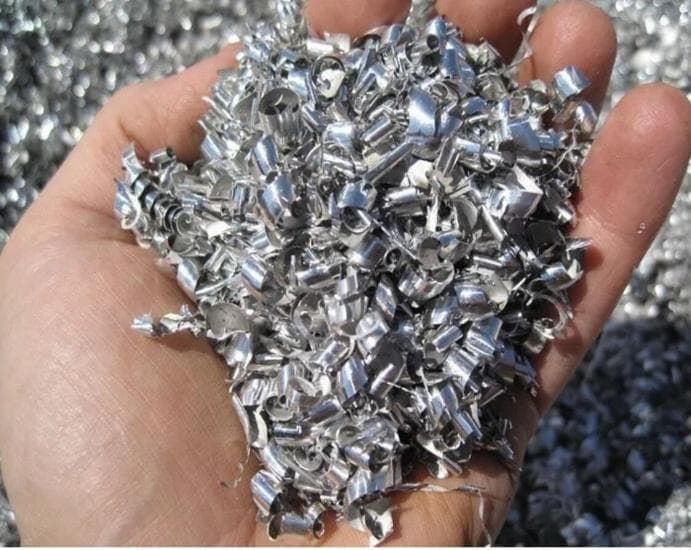
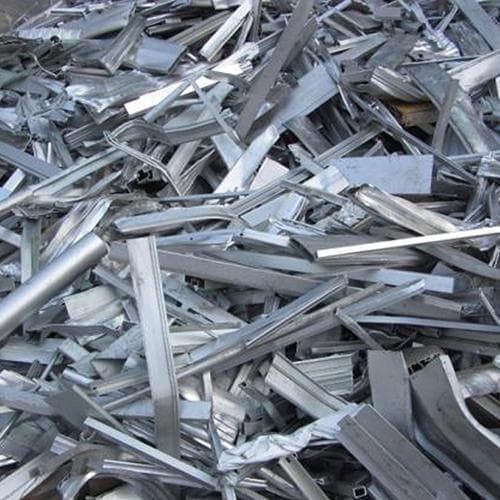
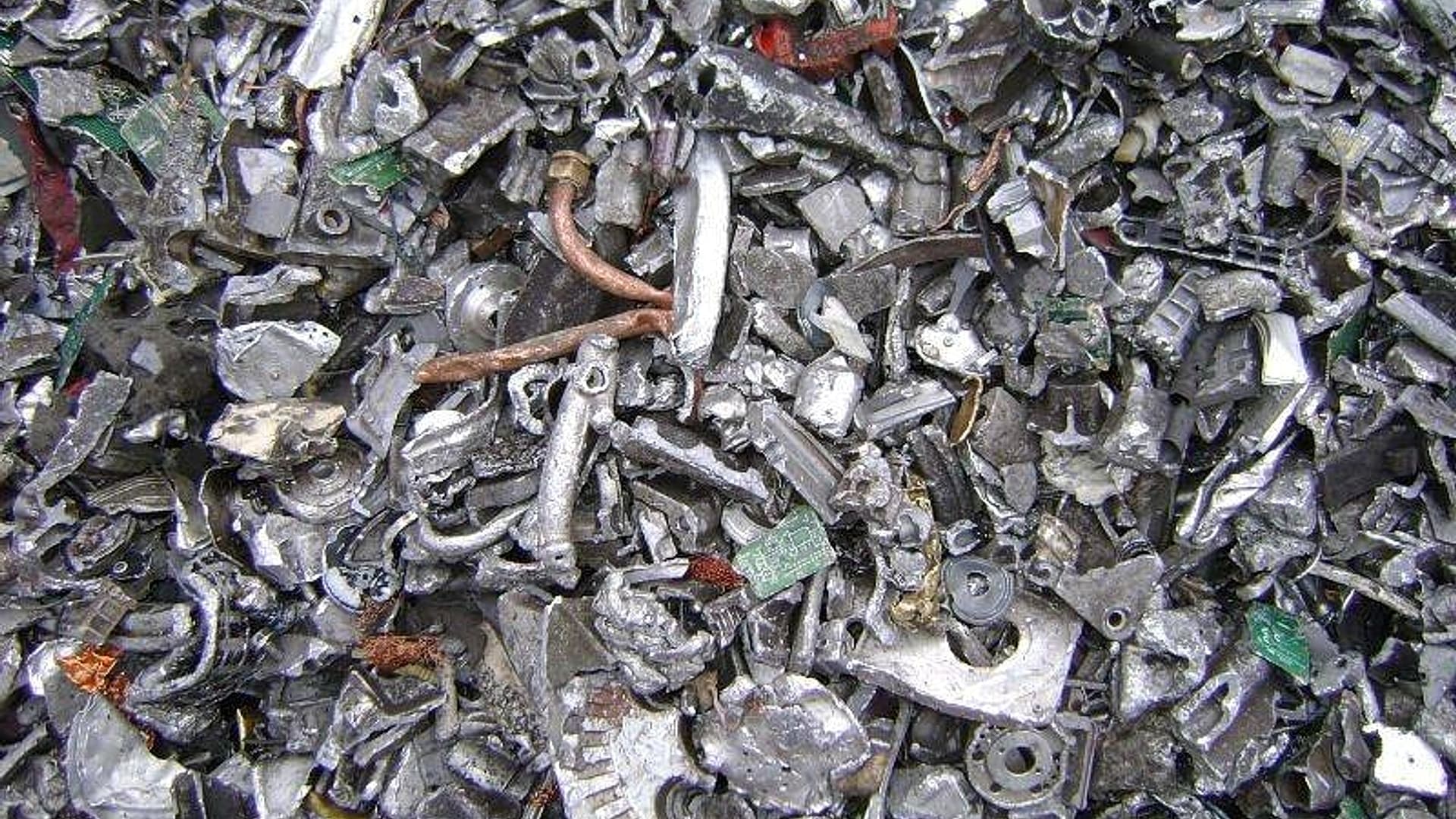
Aluminium smelters and cast houses rely on scrap aluminium — from used beverage cans, extrusion offcuts, die-cast returns, and mixed Zorba — as a primary input. Using recycled aluminium requires approximately 95% less energy than producing primary aluminium from bauxite ore. That energy difference is not an abstract sustainability figure; it is a direct cost advantage that makes secondary aluminium economically essential for competitive production.
Copper refineries, rod mills, and manufacturers depend on copper scrap — bare bright wire, No. 1 and No. 2 grades, transformer copper, and copper alloys — to supply metal that, when properly sorted, can be charged directly into a furnace without the energy intensity of primary smelting.
Why Consistency Matters More Than Price Alone
Procurement teams at manufacturing facilities evaluate scrap supply offers across multiple dimensions simultaneously. Price per tonne is one input. Grade consistency, volume reliability, lead time predictability, and documentation quality are equally important — and in some cases, more important.
A supplier who consistently delivers at an agreed grade — even at a slight price premium — creates fewer production disruptions than one who offers a lower price but delivers material that varies in quality, arrives late, or requires additional sorting at the receiving facility.
This dynamic becomes especially pronounced when manufacturers are operating continuous casting lines, furnaces running on tight charging schedules, or production runs that cannot absorb unexpected raw material variability. In these environments, the cost of a disrupted production run — remelting, quality rework, furnace downtime — far exceeds any short-term saving from lower-priced, inconsistent material.
Grade Reliability and Alloy Integrity
For aluminium producers, alloy integrity is a direct function of input material composition. Mixed scrap with variable iron, silicon, or magnesium content makes it difficult to consistently hit target alloy specifications in the final product. Reliable grade delivery allows the melt shop to adjust chemistry predictably rather than reactively.
For copper processors, the distinction between clean No. 1 copper and slightly contaminated No. 2 material affects both metal recovery rates and refining costs. Buyers who receive consistently declared grades can plan their processing economics accurately.
Volume Reliability and Production Planning
Manufacturing facilities plan production months in advance. Raw material procurement teams build purchasing schedules around expected supply availability. When scrap supply is unpredictable — either in timing or in available volume — production planners face difficult choices between running down inventory, paying premium prices for spot purchases, or reducing throughput.
Suppliers and trading partners who can commit to and maintain volume schedules — even if those volumes are modest — are far more valuable to a manufacturing buyer than high-volume suppliers whose delivery reliability is poor.
Sustainability Commitments and Secondary Metal Demand
Manufacturers in the automotive, construction, packaging, electrical, and electronics sectors are increasingly required to demonstrate the recycled content of their products. Regulatory frameworks in major markets are tightening requirements around material traceability and secondary content disclosure.
This trend is driving structural demand growth for verified, traceable scrap metal feedstock. Buyers are not simply looking for scrap — they are looking for scrap that comes with reliable documentation of origin, grade, and preparation, so they can meet their own compliance and reporting obligations.
For scrap metal traders and exporters, this creates an opportunity to differentiate on the basis of documentation quality and supply chain transparency — not just on price and volume.
What manufacturers need from scrap supply partners
- Consistent grade delivery aligned with agreed specifications across successive shipments.
- Reliable volume availability that supports production scheduling without frequent shortfalls.
- Accurate documentation of material origin, grade, preparation method, and weight.
- Responsive communication on availability, timing, and any material characteristic changes.
- Logistics coordination that delivers material when it is needed, not just when it is convenient.
Building Long-Term Supply Relationships
The most commercially durable scrap supply relationships are built on accumulated trust rather than individual transactions. A manufacturing buyer who has received ten consistent, well-documented shipments from a trading partner is not simply a repeat customer — they are a committed partner who will prioritise that supplier when supply is tight and demand exceeds available material.
From a supplier's perspective, these relationships provide more predictable demand, faster payment cycles, and a more stable commercial foundation than constantly sourcing new buyers for each shipment.
Enreach Global's approach to industrial scrap supply is built around this model. We work to understand the specific grade requirements, volume needs, and scheduling constraints of each industrial buyer we serve, and we source and coordinate supply to match those requirements as precisely as possible.
How Enreach Global Supports Manufacturing Buyers
Enreach Global sources, purchases, and exports aluminium and copper scrap from suppliers across North America and connects that material with industrial buyers who need reliable, documented feedstock for manufacturing and recycling operations.
Our role is to reduce the procurement complexity for both sides — ensuring that suppliers have access to buyers who understand what they are selling, and that buyers receive material that matches what they agreed to buy, supported by complete and accurate documentation.
Supply Reliability Is a Competitive Advantage
In the global scrap metal market, the manufacturers who secure the best long-term positions are not always those who paid the lowest price per tonne. They are the ones who built supply relationships that delivered consistent quality, reliable volume, and transparent communication — the fundamentals that keep production running and costs predictable.
Continue Your Sourcing Research
Use these internal resources to move from market research into supplier evaluation, product review, and direct industrial scrap enquiries.